

















UNH Today

UNH Plant Root Research Aims to Boost Local Nursery Production, Reduce Winter Losses and Costs

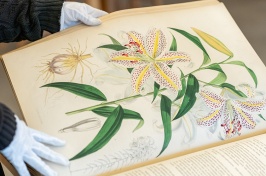
Nearly every gardener knows that one of the best strategies in choosing plants is to consult the USDA Plant Hardiness Zone Map, which identifies plants based on how tolerant the plant shoots are to cold temperatures. But plant roots are another story, and they often are less tolerant of sub-freezing temperatures than the shoots of the same plant. For businesses that grow nursery stock in containers, protecting container-grown plants during winter leads to increased labor costs and can cause high losses due to physical damage.

Fifteen years of breeding produces new varieties of squash, pumpkins and melons for a wide market

J. Brent Loy’s cucurbit breeding program at the University of New Hampshire, largely funded by the NHAES, represents the longest continuous squash and pumpkin breeding program in North America. The 54 varieties of melons, squash, gourds and ornamental pumpkin released by UNH during the past 15 years have had a major impact on agriculture in the Northeast. In 2014, the wholesale value of cucurbit seed marketed from varieties with UNH parentage was more than $2 million. The value of farm produce derived from those varieties would be several fold that of seed sales.

UNH Researchers Conduct First Comprehensive Study of NH Oyster Farming

University of New Hampshire scientists have conducted the first study of oyster farming-nitrogen dynamics in New Hampshire, providing the first solid research on the state’s oyster farming industry and the role oyster farms play with nitrogen removal. The research, which was funded in part by the NH Agricultural Experiment Station, contributes to a growing body of research on how oysters affect the nitrogen content of estuaries such as Great Bay.

UNH Scientists Expand Seaweed Research to Benefit Region’s Dairy Farmers

Organic dairy cows fed kelp meal produced less methane for part of the summer grazing season, according to researchers with the New Hampshire Agricultural Experiment Station at the University of New Hampshire. Based on these initial and other promising results, scientists will expand their studies to look at how kelp and other seaweeds impact animal health and methane emissions of organic dairy cows in New England.

UNH Researcher Honored with Prestigious Vegetable Breeding Award

J. Brent Loy, professor emeritus of plant biology and genetics, and a researcher with the NH Agricultural Experiment Station (NHAES), has been awarded the 2015 Vegetable Breeding Working Group Award of Excellence by the American Society of Horticultural Science.

Presented since 1992, the award recognizes breeding programs that have had a significant impact on the vegetable industry within the past 20 years by providing salient basic information and/or cultivar or germplasm releases.