










UNH Today

Keene Sentinel: COVID-19 Pandemic Hasn't Change N.H. Resident's Views on Science

A recent poll conducted by researchers at the Carsey School of Public Policy found that around 70 to 80 percent of New Hampshire residents' said that they trusted advice from scientific agencies like the Centers for Disease Control and Prevention (CDC) on the pandemic and were making big changes to their routines as a result. Less than half said that they trusted the government to handle the crisis effectively. 


Capturing Moments

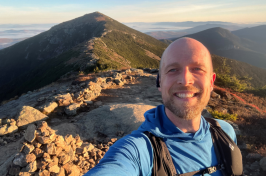
A sports season cut short. A personal story of cancer. Beer going bad. The nuances of hiking during COVID-19. These are just a few of the stories students told when asked to document how an aspect of their lives have been impacted by the coronavirus pandemic.

Fire and Ice

New UNH research finds that wildfires in the Siberian Arctic can alter the chemistry of streams and other waterways, with implications for human health and livelihood.

The Journey From Farm to Fork

Grace Stott’s interest in nutrition started in middle school. That’s when she knew she wanted her future to be in food. She thought that meant she’d be in the culinary world, where she hoped to make healthy eating as important as flavor. Then in high school, she learned there was an actual field known as nutrition and found her path.

NHPR: Pandemic Hasn't Changed N.H.'s Views on Science

A recent poll conducted by the Carsey School shows that New Hampshire residents' trust in science and in the government has not changed, even as coronavirus continues to spread. Lawrence Hamilton, researcher and professor at the Carsey School, says that these numbers may not have changed because a person's view on science is closely related to his or her political views. 

Union-Bulletin: Rural Areas Expect Higher Death Rate

According to Kenneth Johnson, senior demographer at the Carsey School, an older population, greater incidence of obesity, and chronic health problems in rural areas are likely to make the COVID-19 pandemic far more deadly. Based on his analysis, more than 26% of the population outside metropolitain areas is 60 or older. Additionally, access to medical care in many rural areas can also be limited.