



















UNH Today

Feeding Nemo: White Worms Show Potential as Inexpensive Food Source for Aquarium Fish

Ornamental aquarium fish like the clownfish Nemo and his pal the royal blue tang Dory one day may be dining on high-quality yet inexpensive white worms grown in New England. New research from the New Hampshire Agricultural Experiment Station at the University of New Hampshire has found that live white worms are well-suited for the ornamental aquaculture industry and could be an emerging commercial industry for the region.

Beetle Parents Choose to Limit Offspring When Food is Scarce

Researchers have long known that many primates make decisions about the number of children they have based on the availability of resources such as food. Now new research from the New Hampshire Agricultural Experiment Station at the University of New Hampshire finds that some insects – specifically burying beetles – also choose to limit offspring when food is scarce.

Warmer, Snow-Free Winters May Increase Carbon Dioxide Losses in Forests, Gains on Farms

New England’s warmer, snow-free winters may increase carbon dioxide losses in forests, where deciduous trees can’t take advantage of warm temperatures before their leaves emerge. However, farms cultivating grasses have a greater potential to start growing in the winter “dormant season,” perhaps partially offsetting the increasing winter carbon losses from forests, according to new research from the New Hampshire Agricultural Experiment Station at the University of New Hampshire. 

Will Hastings: Caring for UNH's Kiwiberry Vineyard

Why did you decide to get your graduate degree from UNH?
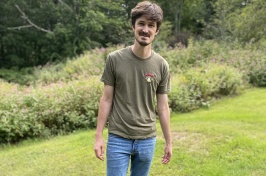
I had been working at the NH Agricultural Experiment Station's Woodman and Kingman horticultural research farms for different researchers during my undergraduate studies and had become increasingly involved with kiwiberry production. Pursuing my graduate degree here at UNH gave me an opportunity to continue developing best practices for a relatively new fruit crop.

Rory Carroll: Investigating NH’s Charismatic Predator, the Bobcat

Why did you decide to get your graduate degree from UNH?

I was excited to come to UNH for several reasons. The university has a national reputation for prolific research in natural resources disciplines. With a lot of prime wildlife habitat, New Hampshire is a great setting for the type of research I wanted to do. When I visited the school, the people I met seemed very open, welcoming, and passionate about their work. I couldn’t wait to get here and contribute to the community!

What is the focus of your research interests and why?