
Are There Links Between Dairy Consumption and Depression?
Depression is a complex disease that can be difficult to identify, but nearly one in five Americans has received a diagnosis for depression and one in 20 are affected by depression symptoms on a daily basis. A wide variety of factors can underlie depression and depressive symptoms, but new research at UNH indicates that dairy products do not contribute to worse depressive symptoms in a group of people previously documented to be at a particularly high risk for depression. It further suggests that yogurt and butter in particular may be beneficial.
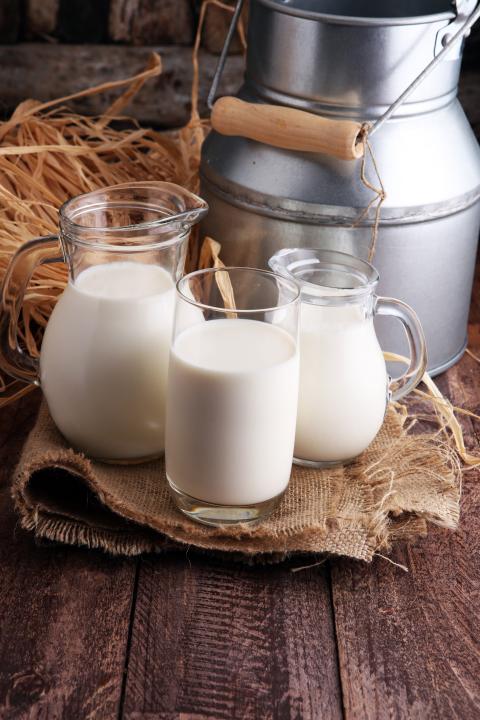
Consumption of dairy products with higher fat content, including yogurt and butter, was associated with fewer depressive symptoms.
Dairy consumption is recommended as part of a healthy diet by the U.S. Dietary Guidelines for Americans. Dairy includes a unique profile of fatty acids, along with other nutrients, that may benefit inflammation. There is concern over the recommendation of consuming full-fat dairy products, however, due to saturated fat content. Yet the potential impacts of dairy, including those with fat, on depression, a leading cause of poor quality of life, is limited.
A study published in Nutrients and led by Sherman Bigornia, associate professor in the Department of Agriculture, Nutrition, and Food Systems in the College of Life Sciences and Agriculture (COLSA), looked at the association of total dairy consumption as well as individual dairy products — milk, cheese, yogurt, cream, and butter — with depressive symptoms in Hispanic/Latino adults over a six-year period. The team, which included researchers from nine institutions, used data from the Hispanic Community Health Study/Study of Latinos (HCHS/SOL), an ongoing longitudinal study of 16,415 Hispanic/Latino adults living in the U.S.
Evidence suggests Hispanic/Latino adults experience high rates of depression, and they also have a disproportionate burden of obesity and metabolic syndrome, both characterized by chronic inflammation. Chronic inflammation, cardiovascular dysfunction, and metabolic syndrome have all been implicated in depression.
Researchers from HCHS/SOL collected participants’ baseline dietary information and also assessed depressive symptoms using a validated survey scale at the initial visit and again during a follow-up clinical exam six years later. A total of 10,618 participants provided complete data for analysis. The Bigornia team, including first author Anne Bodenrader ’26G, used the data to identify and estimate daily dairy product consumption and analyzed associations with depressive symptoms.
The team found that total dairy consumption was not significantly associated with depressive symptoms over the six-year period. Individual dairy products showed some potentially important differences, however. While milk, cheese, and cream consumption were not significantly associated with the score, yogurt and butter consumption were both significantly associated with fewer depressive symptoms. The effect sizes were very small, underscoring the need for cautious interpretation and further study, but both yogurt and butter have biological properties that make beneficial effects plausible.