












UNH Scientists Develop Approach to Measure Ecological Impact of Hurricanes

EDITORS AND REPORTERS: Bill McDowell can be reached at william.mcdowell@unh.edu.

DURHAM, N.H.—Large, extreme storms such as hurricanes, superstorms, typhoons and tropical cyclones are becoming more frequent worldwide under a changing climate. With colleagues around the nation and world, University of New Hampshire researchers have developed a way to assess the short-term and long-term ecological repercussions of major hurricanes, including how large storms affect watersheds, streams and river networks.

Getting Back to Business; UNH Experts Comment on Restarting Economy

DURHAM, N.H.— Slowly, and cautiously, states are loosening stay-at-home orders because of COVID-19 and phasing in plans to reopen businesses and restart the economy. Both employers and employees are anxious to get back to work, but in the brave new world of operating during a pandemic, offices, factories, retailers and other businesses are not only focused on getting things up and running but also on safety, social distancing and government guidelines.

UNH Offers Weekly COVID-19 Webinar Series Beginning April 28, 2020

DURHAM, N.H.—Faculty and staff at the University of New Hampshire will offer a series of webinars that explore the groundbreaking science, dynamic challenges and important decisions at the heart of the COVID-19 pandemic in New Hampshire and around the world. The 45-minute webinars will be held every Tuesday at 4:30 p.m. beginning April 28, 2020. They are free and open to the public but registration is required.

UNH Awarded $6 Million NOAA/NASA Contract to Build Space Weather Instrument

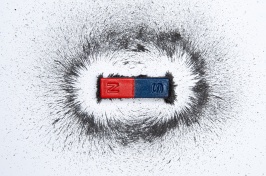
DURHAM, N.H.— The National Oceanic and Atmospheric Administration and NASA have selected the University of New Hampshire Space Science Center to design and build a specialized instrument to improve space weather monitoring and forecasting capabilities. The magnetometer is part of a suite of instruments which will measure storms created by the solar wind which can affect such things as satellite communications and electric grids on Earth.

UNH Research Looks at Long-Term vs. Short-Term Benefits of Salvaging Dead Trees

DURHAM, N.H.—The next major eastern spruce budworm outbreak likely will hit the forests in the northeastern United States over the next few years, putting more than 11.4 million acres of forest and 94.8 million metric tons of stored carbon in spruce and balsam fir at risk. While salvaging these trees for energy or lumber increases carbon dioxide emissions in the short-term, researchers at the University of New Hampshire have found that certain forest management practices result in long-term benefits that can balance these short-term setbacks.

UNH Research Finds Rural Areas with Seasonal Homes Hit Hard by COVID-19

DURHAM, N.H.— In a nationwide effort to get people to stay at home and not travel between states or to vacation homes, new research out of the University of New Hampshire finds rural counties across the United States with high numbers of seasonal homes saw higher rates of COVID-19 cases than either urban or other rural areas.

FaceTime, Faith and Zoom’ing Through Holy Week; UNH Expert on Worshipping During COVID-19

DURHAM, N.H.—For most religions, coming together as a community to worship is at the core of their practice, but during this unique and unsettling time of mask wearing and social distancing praying together can be a challenge as many churches remain closed during the coronavirus pandemic.

UNH Research Looks at Role of Politics and Media in COVID-19 Pandemic

DURHAM, N.H.—In a nationwide effort to alter behaviors and curb the spread of the coronavirus, research from the Carsey School of Public Policy at the University of New Hampshire found a majority of Granite Staters made changes, but those who approved of President Trump’s handling of the response to the COVID-19 pandemic, and who regularly watch Fox News, were less likely to alter their routines due to COVID-19.