
The New England Agroforester - Winter Solstice 2025
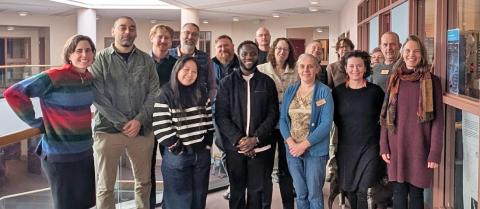
ADAPT core team members gathered at UNH on December 9, 2025 for a full-day retreat to align progress, goals, and strategy for integrated project success.
Back row, L to R: Ranjit Sawa, PhD., Ryan Smith, Wade Weber, Steven Roberge, Rich Smith, Ph.D., Analena Bruce, Ph.D., Heidi Asbjornsen, Ph.D., Aaron Guman, Mark Ashton, Ph.D., Mike Smith. Front row, L to R: Megan Glenn, Theresa Ong, Ph.D., Bernard Nyanzu, Kelly McAdam, Jess Gerrior, Ph.D., Alix Contosta, Ph.D.
Intro: Reflecting on 2025
Dear agroforestry enthusiasts,
The first snowflakes have fallen over the forests and farms of New England, and the ADAPT team is delightedly anticipating the winter holidays amidst a flurry of activity! We would like to take this moment of our first Winter Solstice issue to slow down and reflect on some amazing accomplishments this year.
Two summers ago, the ADAPT team hired two project managers, a field technician, and a team of undergrads who launched into conducting rapid field assessments of thirty agroforestry operations throughout New England. These assessments included a biophysical survey of the soils and vegetation present on each farm, as well as a series of socioeconomic interviews that gave us transdisciplinary insight into establishing and managing agroforestry systems.
Since then, we’ve hosted two co-design workshops for forest farming and silvopasture, connecting farmers, technical service providers, NRCS officials, and researchers from UNH, Yale, and Dartmouth. Collectively, we’ve identified research priorities for the remaining duration of our grant and gather expertise that will aid us in implementing demonstration sites in the upcoming year, and we are immensely grateful for everyone who shared their advice and experience with us.
This month, the ADAPT Project team gathered in Durham, NH for a full day focused on visioning and planning to align project objectives and forward actions. The morning centered on the goals of the original ADAPT proposal and updates from the lead scientists on each project component, followed by strategic targets for years three and five. After lunch, we collaborated on a roadmap for achieving these goals, integration across project components, and roles and responsibilities. The afternoon concentrated on research priorities, data management, and detailed planning for silvopasture, food forest, forest farm, and socioeconomic studies. By day’s end, we had strengthened our shared vision and set actionable steps to advance agroforestry innovation.
Keep scrolling to see more great advances in agroforestry among our partners in New England, recipes using agroforestry crops, and resources for aspiring agroforesters.
Sincerely,
The ADAPT Team
Issue #2
Quick Links
Feature Story
Educators Are Bringing Agroforestry to the Classroom
Technical Assistance & Peer Networking


Help grow our community of readers
Do you know someone involved in forest, farm, conservation, or food systems who would be interested in The New England Agroforester? We are growing our community of readers and invite you to share this subscription form with them.
The Learning Landscape

Image credit: Forager Chef
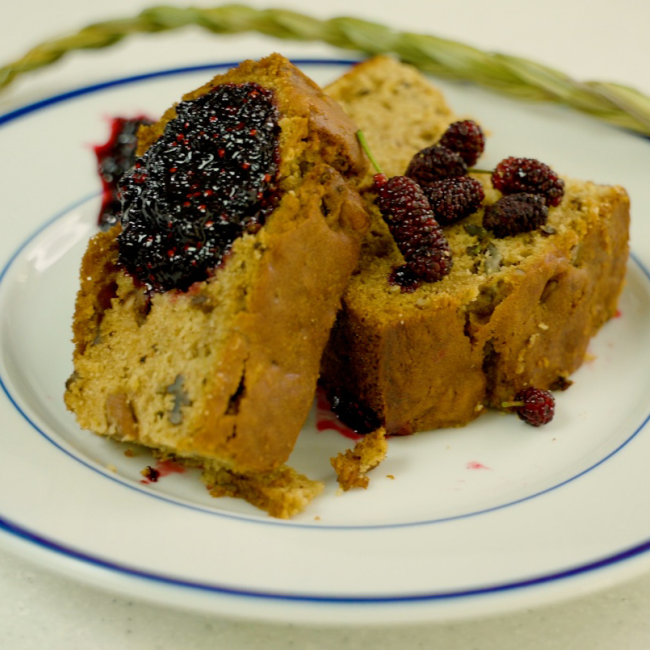
Sam’s Persimmon-Hickory Nut Bread
Image and recipe credit: Linwood Thayer, North American Traditional Indigenous Food Systems (NATIFS)
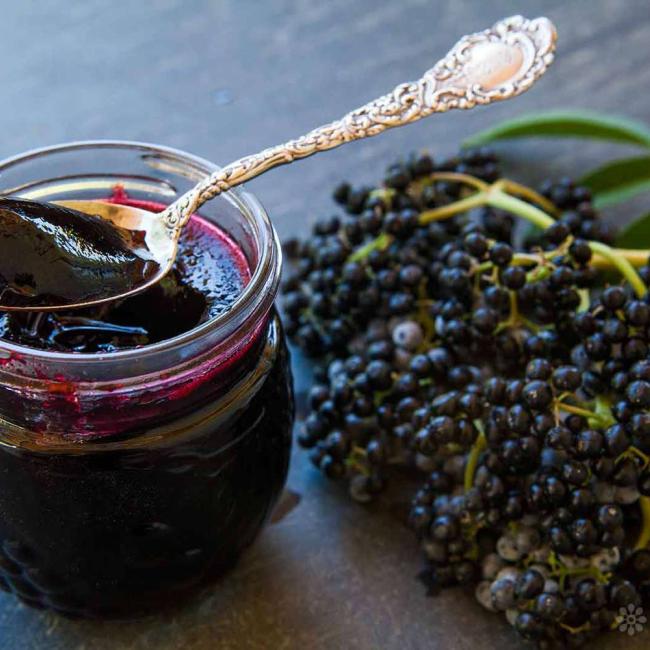
Image and recipe credit: Elise Bauer
Publications: Winter Reading & Listening
State-by-State Resource Libraries:
Connecticut Food System Alliance
Maine Network of Community Food Councils
Massachusetts Food System Collaborative
Rhode Island Food Policy Council
New England and Beyond:
NRCS Climate-Smart Agriculture and Forestry Mitigation Activities: The updated list includes 14 new activities, outlined in a webinar produced for FY 2025. Producers interested in applying new climate-smart activities across their operations may be eligible for financial support through NRCS conservation programs including Environmental Quality Incentives Program (EQIP), the Conservation Stewardship Program (CSP), and Regional Conservation Partnership Program.
American Farmland Trust’s Resource Library of fact sheets, reports, studies, and articles cover federal conservation policies and programs, state farmland protection strategies, securing land, and passing on the farm to the next generation.
Podcasts

Perennial AF is the Savanna Institute’s podcast about perennial agroforestry (AF). Listen to interviews, event recordings, and stories from the field featuring real agroforesters and perennial farmers each month.
Other podcast & radio episodes produced within New England:
- An Interview with organic farmer Becka Gagne of Schoodic Hollow Farm (University of New Hampshire)
- Of Hooting Bears and Agroforestry (New Hampshire Public Radio)
- Adjust for changing planet (New England Public Media)
- Eric Toensmeier of Perennial Solutions (The Permaculture Podcast)
- Silvopasture could be a key adaptation to a changing climate (Connecticut Public Radio)
Events Calendar
New England’s NOFA Winter Conferences
Connecticut: CT NOFA’s Winter Conference
Saturday, March 7, 2026 in Middletown, CT. Featuring a series of virtual workshops on March 3-5 in the lead up to the full day, in-person gathering and celebration of the Bill Duesing Organic Living on the Earth award. Follow this link for more information, .
Maine: MOFGA’s Farmer to Farmer Conference
February 7-9, 2026 in Portland, ME. Featuring farm tours and walk-and-talk sessions, Cabbage (MOTH) Hour, and keynote by members of Agricola Farm, who will share about their worker’s cooperative and navigating change on the farm while upholding core values and healthy relationships with fellow farmers. Follow this link for more information.
Massachusetts: NOFA-MA Winter Conference
Saturday, February 28, 2026 in Amherst, MA. Featuring Keynote Speaker Dan Kittredge, speaking on “Living Soils: Unlocking Nutrient Density.” The conference is part of a broader effort to advance the Massachusetts Healthy Soils Action Plan. Follow this link for more information.
New Hampshire: NOFA-NH Winter Conference
March 7, 2026 in New London, NH. This year’s theme, Taking Root: Nourishing Community, honors the deep connections between land, people, and practices that sustain us. Follow this link for more information.
Rhode Island: Growing Our Region: Northeast Organic Farming Symposium
December 16–17, 2025 online, free. Features a workshop on Growing Organic Chestnuts as a Commercial Crop plus technical content grounded in research, innovative methods, and real-world production challenges relevant to the Northeast. Follow this link or more information.
Vermont: NOFA-VT Winter Conference
February 14-15 in Colchester, VT. Keynote speaker Ira Wallace is a worker/owner of the cooperatively managed Southern Exposure Seed Exchange and is creating an African Diasporic Seed Collection. Follow this link for more information.
Meet You Greens
Meet Your Greens is Northwest Connecticut’s Green Drinks happy-hour network, with opportunities to make connections, exchange news, brainstorm ideas, and plant seeds for collaboration. All are welcome; no reservations or RSVP necessary. Follow this link for more information.
2026 Northeast Grazing & Livestock Conference
January 30-31, 2026 in Manchester, NH or online. This year’s event is a confluence of the Northeast Grazing & Livestock Conference & the Northeast Pasture Consortium Annual Meeting. Keynote speakers Loren and Lisa Poncia of Stemple Creek Farm. A 15% early-bird discount is offered before December 18, 2025. Follow this link for more information.
2026 Northeast Dairy Innovation Summit
March 10 – 11, 2026 in Albany, NY. Hosted by the Northeast Dairy Business Innovation Center. Tracks on dairy farm innovation and modernization, processing modernization and expansion, and dairy workforce development. For more information, follow this link to their website.
Sausage Master Class
February 21-22, 2026 at 1787 Butchery, Randolph, VT. Registration closes two weeks before the training starts. For more information, contact the Center for Agriculture & Food Entrepreneurship (CAFE) by emailing Taylor.Paone@VermontState.edu or visit the course registration page.
Forestry Technician Industry Recognized Credential (IRC)
February – April 2026 online and at University of New Hampshire and field sites. Offered by NH Timberland Owners Association (NHTOA). Includes a virtual session followed by field skills at University of New Hampshire and an industry tour. For more information and to register or be added to the waiting list, go to Industry Recognized Credential webpage or contact Doug Cullen, Workforce Development Manager.
New England Society of American Foresters (NESAF) Annual Meeting 2026
March 18-20, 2026 in South Portland, ME. This year’s theme will be: Forest Reciprocity: What Can You Do for Your Forest and What Can Your Forest Do for You? Follow this link for more information.
Seeding Success: Funding & Finance Opportunities
Catalyzing Agroforestry Grant Program
The 2026 Catalyzing Agroforestry Grant Program (CAGP) application deadline is March 3, 2026. Applications after that date will be considered for the next round. The CAGP supports agroforestry practices such as alley cropping, forest farming, riparian buffers, silvopasture, windbreaks, and urban food. It also supports the Agroforestry Regional Knowledge (ARKx) Exchange for ecocultural learning, workforce development, and networking among producers and partners. Nationwide; 100+ producers from 18 states were awarded funding for agroforestry projects in the first two grant cycles. For more info, click here.
Acquisition Grant Program for Partners
Northwest Connecticut Land Conservancy (NCLC) offers the Acquisition Grant Program for Partners to help partner land trusts to quickly complete acquisition projects and contribute to regional conservation goals. Grant awards will fund land purchases in NCLC’s service area (not including transaction costs). For more information, click here.
Funds for Drought Relief and Recovery in Vermont
Vermont Farm Fund Emergency Loan can assist producers with urgent drought relief or recovery needs with loans of up to $15,000. The Farmer Emergency Fund provides funds of up to $2,500 for commercial farmers who are NOFA-VT to assist with recovery from natural and unnatural disasters. Ongoing funding opportunities in Vermont also include Farmstead BMP, Pasture and Surface Water Fencing, Seeding and Filter Strip, and Conservation Reserve Enhancement Programs (CREP).
NH Climate Resilience Grants
Through the NH Climate Resilience Grants Program, the NH Association of Conservation Districts supports farmers to meet increasing challenges of extreme weather events, frequent and prolonged droughts, and increased pest pressures. Applications are due February 1, 2026. For more information about the grant program, past recipients, educational opportunities, and additional funding opportunities for climate mitigation and adaptation, click here.
Fund-A-Farmer Grants
Food Animal Concerns Trust (FACT) offers two Fund-A-Farmer Grants in Vermont and New Hampshire: Fund-a-Farmer Welfare Improvement Grants up to $3,500 each and the Fund-a-Farmer Systems Change and Innovation Grant for up to $10,000. This year’s grant deadline is January 3, 2026. For more information including application questions and scoring criteria, click here.
Black Farmer Fund’s Rapid Response Fund
Black Farmer Fund (BFF)’s Rapid Response Fund provides funds of up to $10,000 to address emergencies that disrupt operations for businesses and organizations led by Black farmers and food business owners in the northeast. Decisions for funding are made by a community-led committee. Rolling deadline. For more information, click here.
More places to find grants:
- Ambrook: Farm Funding Library
- Community Enterprises, Inc. (CEI): Small Business Grant Resource Guide
- Maine Farmer Resource Network: Grant Writing Resource
- Maine Organic Farmers & Gardeners Association (MOFGA): Grant Writing Workshop for Farmers
Support for grant-seekers:
Stepwell Strategies’ USDA Grant Writing program provides low-cost and no-cost services in the Northeast. With funding from the Northeast Regional Food Business Center, the program offers full-service support or self-driven, guided support to build participants’ capacity for grant writing and development. The program prioritizes organizations led and serving historically underserved communities and individuals. For more information, click here.
Classifieds
Common Good Vermont regularly lists job postings in agriculture, sustainability, and related fields.
Feed-Finder Marketplace lists feed sources for purchase. Vermont and New York are the most active areas but listings are welcome from any state. For more information, contact the Vermont Agency of Food and Markets at AGR.Helpdesk@vermont.gov.
Photo Synthesis: Reader-Submitted Images
ADAPT Principal Investigator and Professor of Ecosystem Ecology, Heidi Asbjornsen, PhD shared these photos from a recent kitchen experiment with pawpaw, one of many agroforestry crops. Click here for the recipe for these brilliant holiday cookies and check out more recipes in this issue’s Learning Landscape section.


Help us grow this section! Send your images to: agroforestry@unh.edu. Images will only be shared with author’s permission.
UNH Land, Water, and Life Acknowledgement
As we all journey on the trail of life, we wish to acknowledge the spiritual and physical connection the Pennacook, Abenaki, and Wabanaki Peoples have maintained to N’dakinna (homeland) and the aki (land), nebi (water), olakwika (flora), and awaasak (fauna) which the University of New Hampshire community is honored to steward today. We also acknowledge the hardships they continue to endure after the loss of unceded homelands and champion the university’s responsibility to foster relationships and opportunities that strengthen the well-being of the Indigenous People who carry forward the traditions of their ancestors.