UNH Global

UNH actively promotes international engagement and cross-cultural understanding. In today's globalized and interdependent world, studying international affairs and having a transnational perspective are critical for success and have never been more vital -- or valuable. With a dynamic roster of global opportunities, a teaching faculty conducting research worldwide and an increasingly international student body, UNH brings the world to our campuses and UNH to the world.

Education Abroad
Interested in studying abroad or a pursuing a nontraditional experience?

International Students & Scholars
We provide services to bring international, campus, and local communities together.
Global Faces
-
 ColombiaI am working as a Senior Design Engineer in the Middle East and Southeast Asia, most recently based in Abu Dhabi. My degree at UNH is what got me here, because it is a topic that is not common in all places and is something so specialized that companies show a lot of interest when they hear about it.Learn More
 -
 IsraelI graduated from the GEBCO program in 2014 with an Advanced Ocean Mapping Certificate. It is a unique program aimed at international students, and it's probably the best of its kind.Learn More
 -
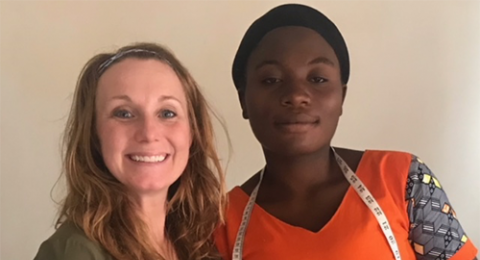 UgandaAs Academic Fieldwork Coordinator and member of the International Committee for the Occupational Therapy Department, I was awarded a Global Education Center faculty international development grant.Learn More
 -
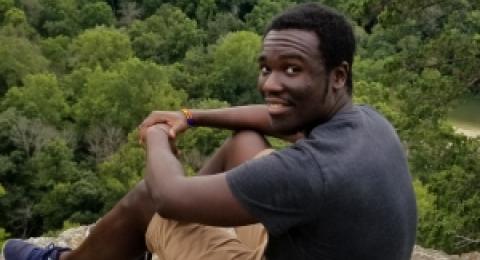 Tanzania, United Republic ofMeet International Alum, Thomas Kroll! Tom is originally from Tanzania. He was a Mechanical Engineering student and graduated in 2015 with his Bachelor's degree. While at UNH, Tom was fortunate to share many wonderful experiences with people from all over the world.Learn More
 -
 Bolivia, Plurinational State ofMeet international alum, Ariel Pueyo Encinas from Bolivia! Ariel graduated in May of 2016 earning a Bachelor of Arts in French, with a dual major in Political Science and International Affairs.Learn More


