


McNair Scholars Program
McNair Scholars Program

The McNair Scholars Program is a federally-funded TRIO program administered by the U.S. Department of Education striving to prepare talented, highly motivated UNH undergraduates for entrance to PhD programs in all fields of study. The program aims to promote and nurture the next generation of faculty, researchers, and scholars by providing academic and social support services in the form of academic year internships and summer research fellowships.
We're still accepting fall applications - Apply today!
McNair Scholars Application Pre-McNair Application
-
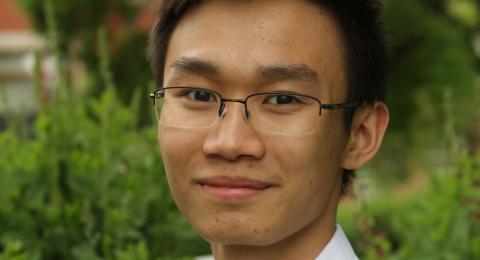
Congratulations to 2021 graduate, Tan Dao for receiving an NSF GRFP from Harvard University!
-
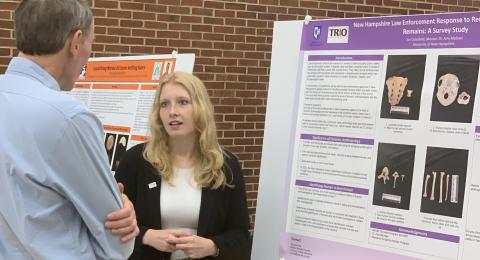
Tori Schofield, 2021 McNair Scholar, co-authored research article "Engaging Undergraduate Students in Forensic Anthropology Research During Times of Restricted Lab Access: The Efficacy and Importance of Student-Led Surveys" that was recently published in UC Irvine's Teaching & Learning Anthropology Journal.
-
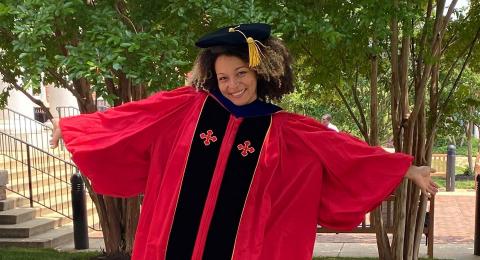
2016 graduate Stephanie Yee just received her PhD in Counseling Psychology from the University of Maryland, College Park. Yee will begin teaching at Maryland this summer and has begun work at a private practice.
-
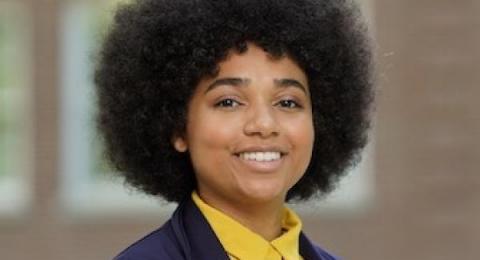
2021 Graduate, Julian Maduro has also been published in the spring 2022 issue of the UNH Inquiry Journal. Julian's research explores the diversity of New Hampshire high school reading lists and how the titles on these lists may impact student engagement. Congrats, Julian!
-
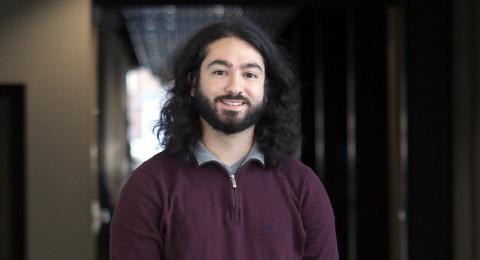
McNair alum Steven Arias (UNH '16) becomes the first UNH student to win an award from the Department of Energy's Offie of Science Graduate Student Research (SCGSR) program. Learn More
Announcements
- CALLING ALL ALUMNI! If you were a McNair scholar who graduated between 2013 and 2023, we need your help! Please fill out the McNair Survey for Past Participants to help increase the chances of securing funding for future generations of McNair scholars. We appreciate you!
-
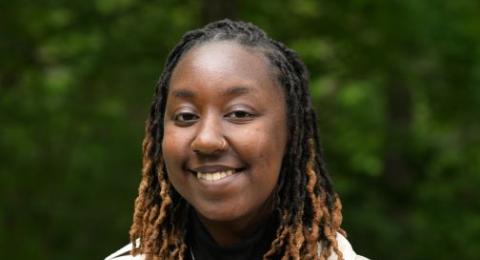 University of New Hampshire McNair Scholar, 2023 Major: Political Science & International Affairs Mentor:Learn More
 -
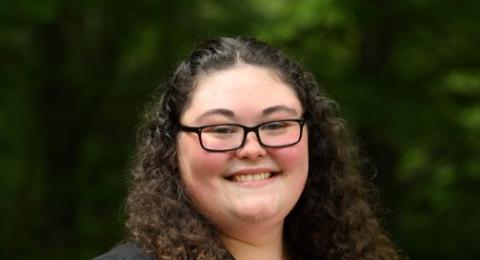 University of New Hampshire McNair Scholar, 2023 Major: Anthropology & Classics Mentors: Dr. Amy Michael,…Learn More
 -
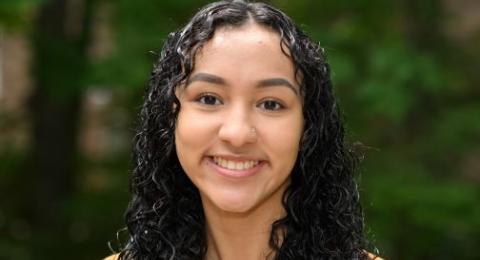 University of New Hampshire McNair Scholar, 2023 Major: Sociology & Justice Studies Mentor: Dr. Karen van Gundy Research Title: An Analysis of Religious Coping Mechanisms Concerning the Black…Learn More
 -
 University of New Hampshire McNair Scholar, 2023 Major: English Literature Mentor: Dr. Elizabeth Moschella-Smith Research Title: Understanding the Impacts of COVID-19 on Group Home Staff: The…Learn More
 -
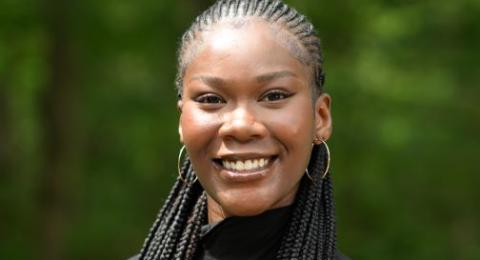 University of New Hampshire McNair Scholar, 2023 Major: Social Work Mentor: Dr. Ngozi Enelamah Research Title: Mental Health Effects of Camouflaging in Neurodivergent College Students &…Learn More
Ronald E. McNair Post-Baccalaureate Achievement programs are designed to encourage high achieving underrepresented undergraduates to consider careers in college teaching as well as prepare for doctoral study. Students who participate in this program are provided with research opportunities and faculty mentors. Learn more about TRiO
