|
11/26/25 -
Shop Local! UNH Gifts That Keep on Giving Beyond the Holiday Season |
11/06/25 -
UNH Student-Built Satellite will Blast into Space, Collects Data for NASA’s IMAP Mission |
|
11/05/25 -
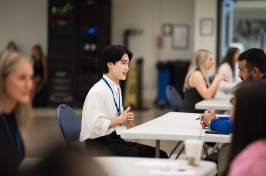
UNH Launches Reimagined Journalism Major |
10/24/25 -
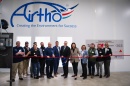
UNH Unveils New State-of-the-Art Cleanroom Expanding Research and Technology in New Hampshire |
|
10/08/25 -
Expert Available to Comment on Market Fairness During Government Shutdown |
10/02/25 -
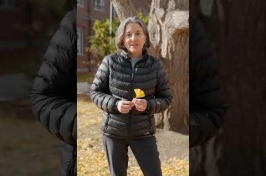
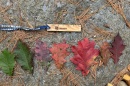
Could This Year’s Drought Dull Fall Foliage Viewing? You May be Surprised. |
|
09/24/25 -
UNH Instruments Rocket into Space to Help Safeguard Impact of Space Weather |
09/15/25 -
Study Shows Number of Childless Women in the U.S. Continues to Rise |
|
08/21/25 -
Walkable Communities Lowered Mental Health Stressors During COVID-19 Pandemic |
08/12/25 -
UNH Recognized as Center of Excellence in Cyber Defense Education |
|
08/05/25 -
University of New Hampshire and VLACS Expand Access to Early College Courses |
06/25/25 -
UNH’s Sustainability Institute Receives Grant to Help New England Cities and Towns Achieve Sustainability Goals |